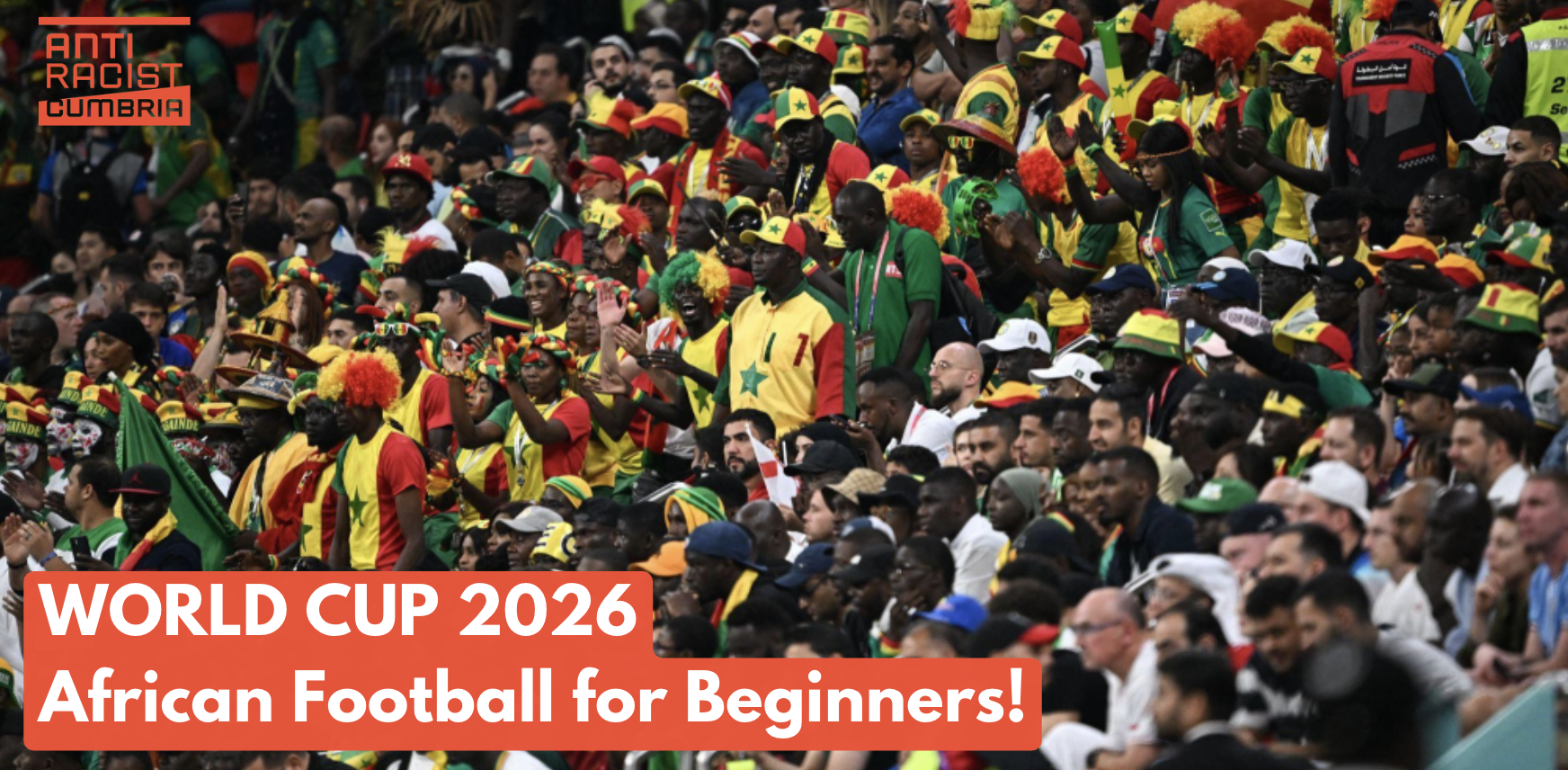
This piece was written by one of our ARC young people, at just 16 years old she plays for not one, but TWO Regional Football League teams! All whilst finishing her GCSE’s and getting ready to head off to college: where she’ll be part of a football programme that blends full-time training under UEFA-licensed coaches alongside their qualifications. We couldn’t be prouder to know such a superstar, watch this space, we’ll be seeing them at the World Cup soon!
Everyone knows the importance of football… you might count down the seconds until kick-off, or count down the seconds until it’s over and you can finally have your TV back…regardlessyou can’t deny the effect football has on communities worldwide.
Like it or not, the World Cup is happening and you may have noticed that African football is receiving more coverage than ever before!
Whether you’re already a football expert, have been casually watching the matches, have found yourself confused by a comment about the tournament or some of the African teams and players, or know absolutely nothing about football but want to understand it a bit better because it has such a huge impact on the lives of the people around you, you might find this interesting.
Let’s start with some basics. The 2026 World Cup is being held across Mexico, the USA and Canada. It has 48 teams in it, 10 of which are African. These are: Algeria, Cape Verde, Morocco, Tunisia, South Africa, Ghana, Senegal, Egypt, the Ivory Coast and the Democratic Republic of the Congo.
The reason for so many teams being involved is that the tournament has expanded to 48 teams for the first time. But we aren’t just here to make up the numbers! An improvement in facilities, exposure and scouting in Africa, as well as the fantastic home-grown talent it produces every year, has led to a more attractive environment for elite coaches, allowing football to grow and thrive in Africa.

Bafana Bafana: South Africa's Team
Recent coverage, and controversy, at AFCON (the African Cup of Nations) has led to an increase in media coverage for the players and coaches involved. This, combined with the talent of the players, has led to a record number of African teams being represented on the world stage.
So, with all these teams, who should you prioritise giving a watch?
Morocco hold the current record for reaching the furthest stage in a World Cup by an African team when they went on an unbelievable run to the semi-finals in Qatar in 2022. Players to look out for include captain Achraf Hakimi, who comes into the tournament on the back of winning back-to-back Champions Leagues with PSG (Paris Saint-Germain F.C). He is widely regarded as one of the best attacking full-backs of this generation. Also keep an eye on striker Ismael Saibari for attacking flair and clinical finishing.

Ismael Saibari, Morocco
Ivory Coast are also ones to watch, with star wingers Amad Diallo (plays for Manchester United) and Yan Diomande (plays for Philips Sport Vereniging aka PSV, a Dutch sports club from Eindhoven, Netherlands). Diomande is heavily linked with top European clubs such as Liverpool and Bayern Munich, with fees starting at £80 million.
If you’re looking to support an underdog, Cape Verde have defied the odds and qualified for the round of 32, keeping a clean sheet against the mighty Spain in the process. Keep an eye on their goalkeeper, Vozinha who is 40yrs old…a veteran in football terms!
Those of you who have been following Congo this summer, you might have seen a man in the crowds standing completely still and not joining in with any chanting, bouncing or singing with the rest of the fans. His name is Michel Kuka Mbolandinga and he is paying tribute to Patrice Lumumba, Congo’s first Prime Minister after independence, who was assassinated in 1961 for his role in freeing Congo and its people. Michel aims to honour the Congolese hero by replicating his outfits and standing still for the entire match. If you don’t know much about this history, please go and find out more about it. A quick search on Instagram for “Lumumba Vea“ (which means “Lumumba Lives”), will get you started.
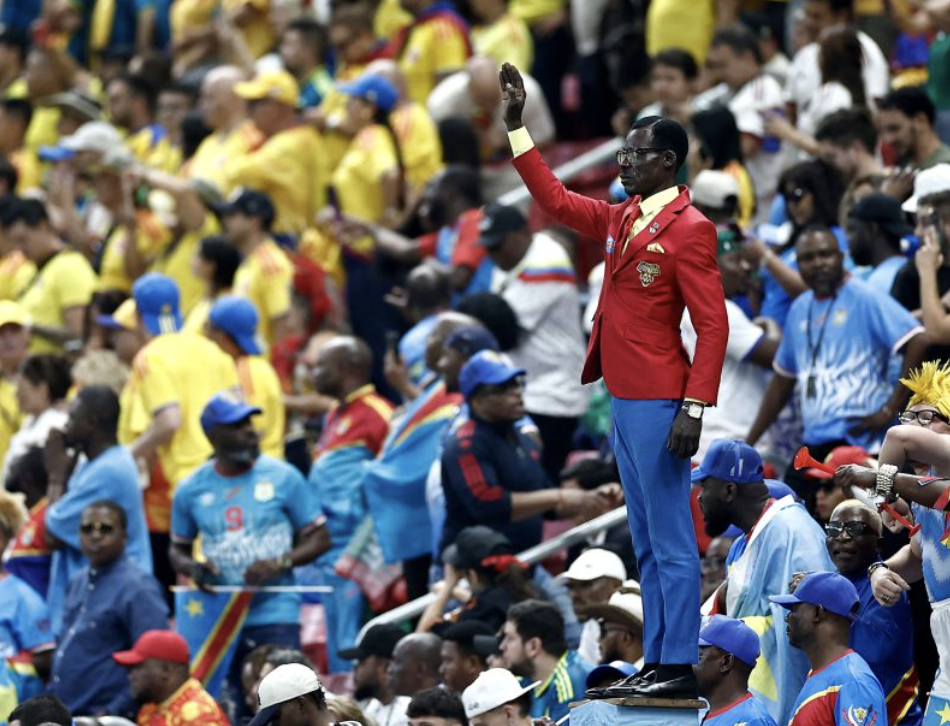
Lumumba Vea, 'Living Statue' for Congo
You might have noticed while watching international football that commentators often say things like, “He was born in France but is representing Algeria,” or, “He was born in Congo but is representing Canada.” Many players representing African nations were born elsewhere. This is often due to players’ families fleeing conflict in their home countries or people from former colonies moving to the countries that colonised them. As a result, many players have dual nationality and can choose which country they represent at international level.
These facts are often mentioned without any explanation, but they reflect histories of conflict, migration, and colonialism – a stark reminder that football is shaped by politics and history as much as everything else in our lives.
As with previous World Cups, the 2026 tournament has prompted renewed calls to boycott FIFA, with critics arguing that the organisation continues to prioritise commercial interests over human rights, violence agains women and girls, political accountability and lots more controversy. Yes there are many layers of institutional racism, oppression and capitalism to unpick.
BUT in the interest of seeking out radical hope we have also been noticing the absolute joy and unity that the World Cup has been bringing to countries and fans from all over the globe that might not normally meet.
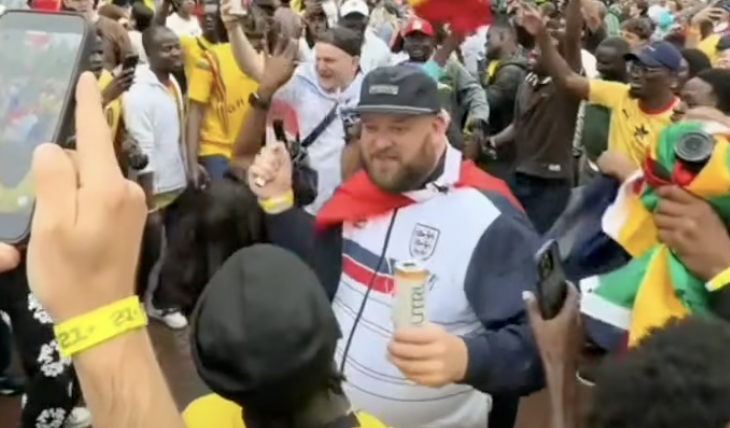
England and Ghana fans together pre match
We know that sport can bring people together, creating moments that remind us our shared experiences often matter more than the divisions between us.
This is reflected in our local campaign, “If you hate the player, you can’t love the game”. Backed by Cumberland FA, which oversees the grass roots football teams in Cumbria, we’ve been asking all local football teams to share the message encouraging their fans and followers sign the #UnifyCumbria unity statement.
Do you know anyone involved in a local sports team? Read more about that here and send them our way!
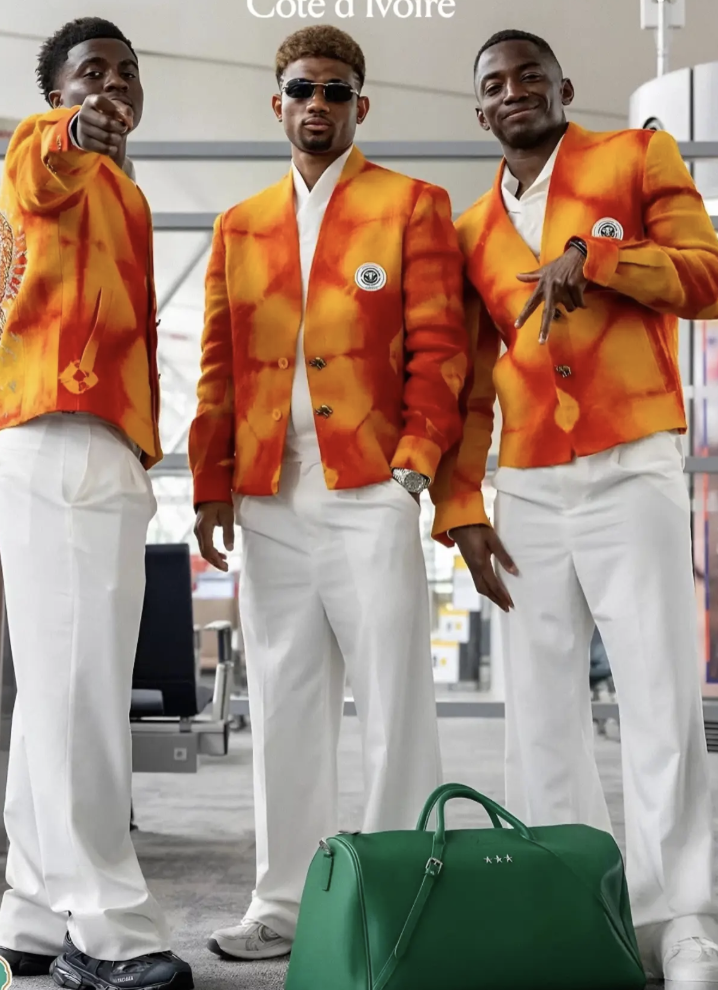
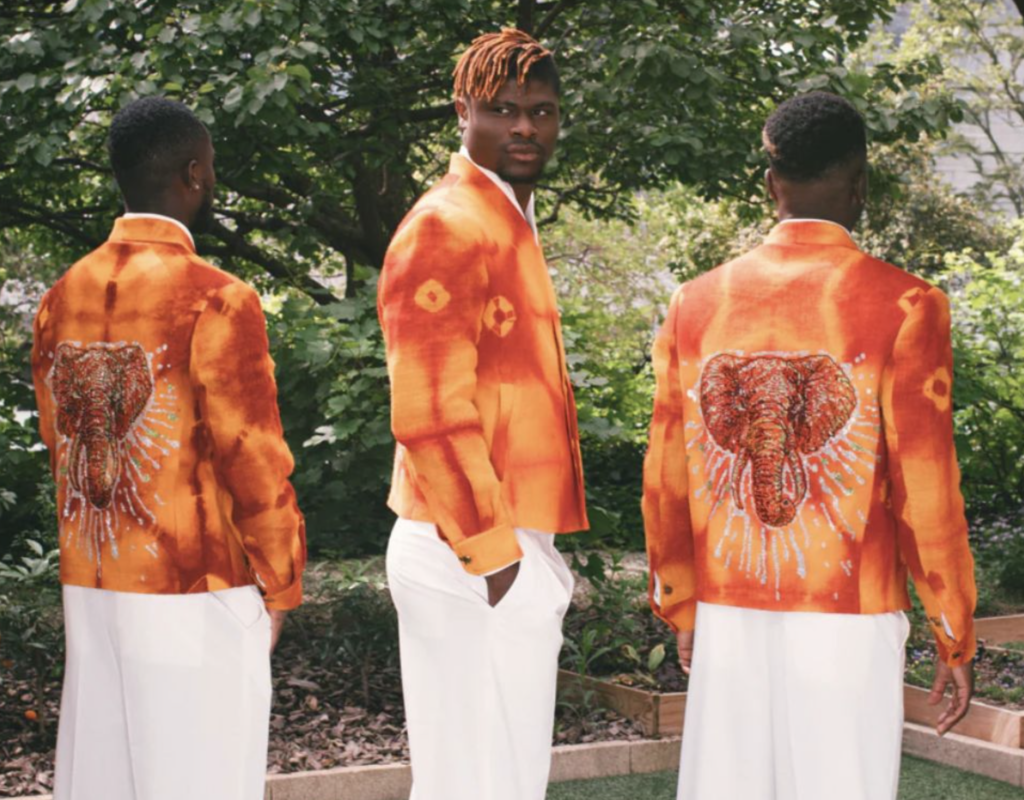
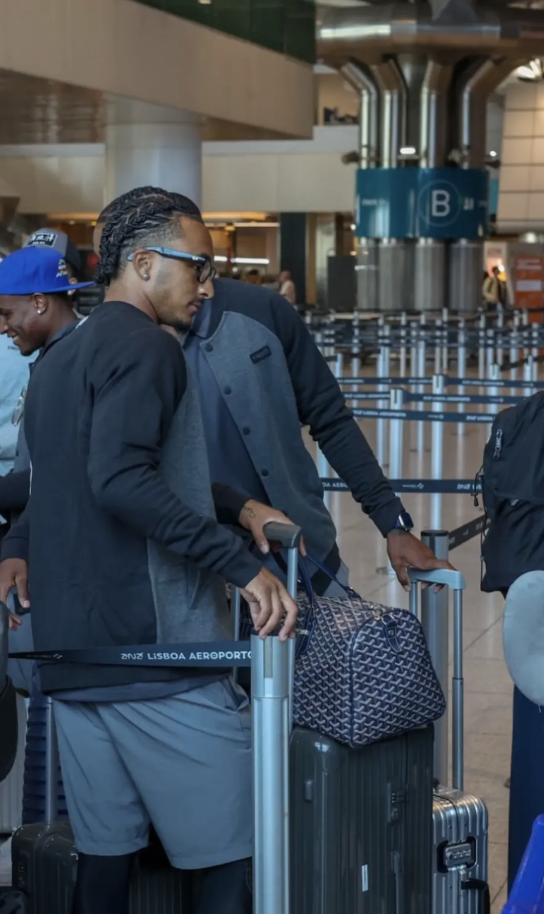
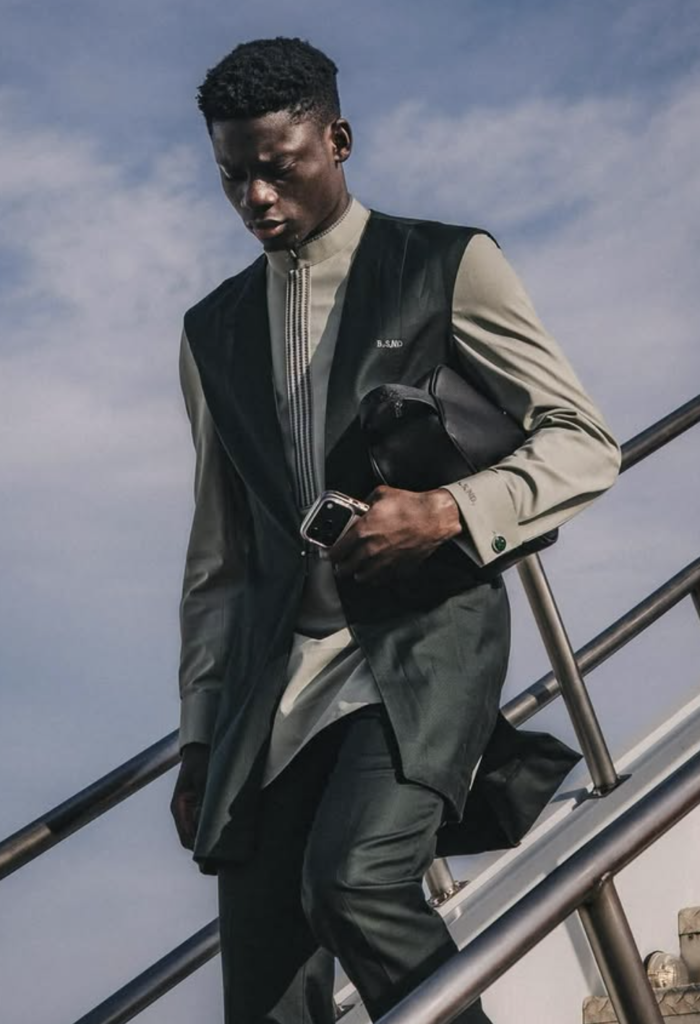
Finally, it would be totally wrong of us to finish up without taking a moment for THE ‘FITS!!!
The African teams have also been attracting attention for being easily the best dressed players of the tournament! Be sure to check out some of the fashion, we’ve shared some pics here for you to peruse at your leisure, you are welcome!