
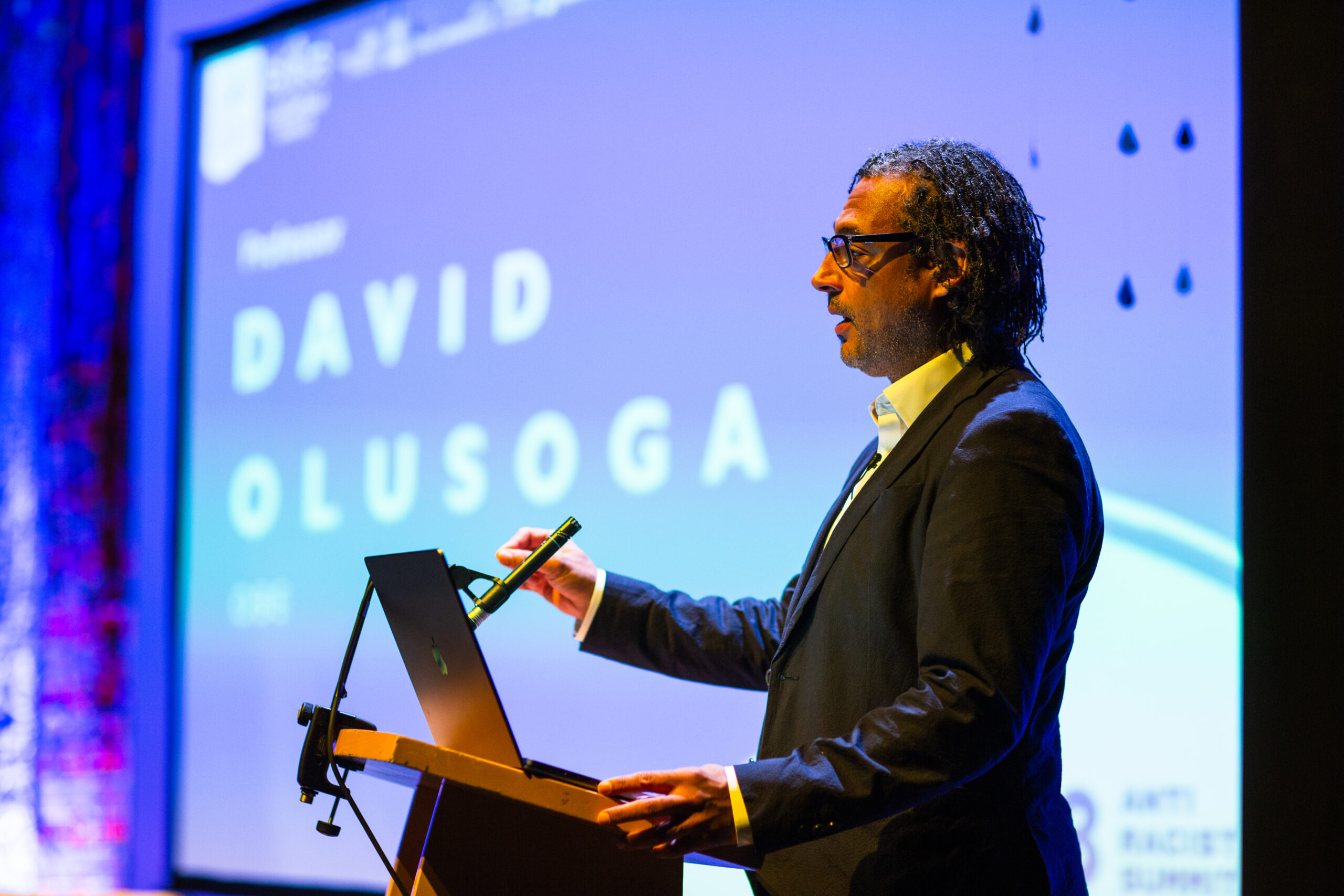
- Third annual Anti Racist Cumbria Summit attracts almost 400 delegates to stunning Lake District venue.
- Keynote speaker, the BAFTA-winning broadcaster and historian David Olusoga revealed history has been ‘sanitised’ to erase acknowledgement of racism
- Full day event offered a blend of wellbeing practices, music, art, panel discussions and conversation to help people unpick the tricky topic of racism
HUGE swathes of society unintentionally uphold racist ideals and narratives, whilst a sanitised version of history continues to be perpetuated, a packed conference heard.
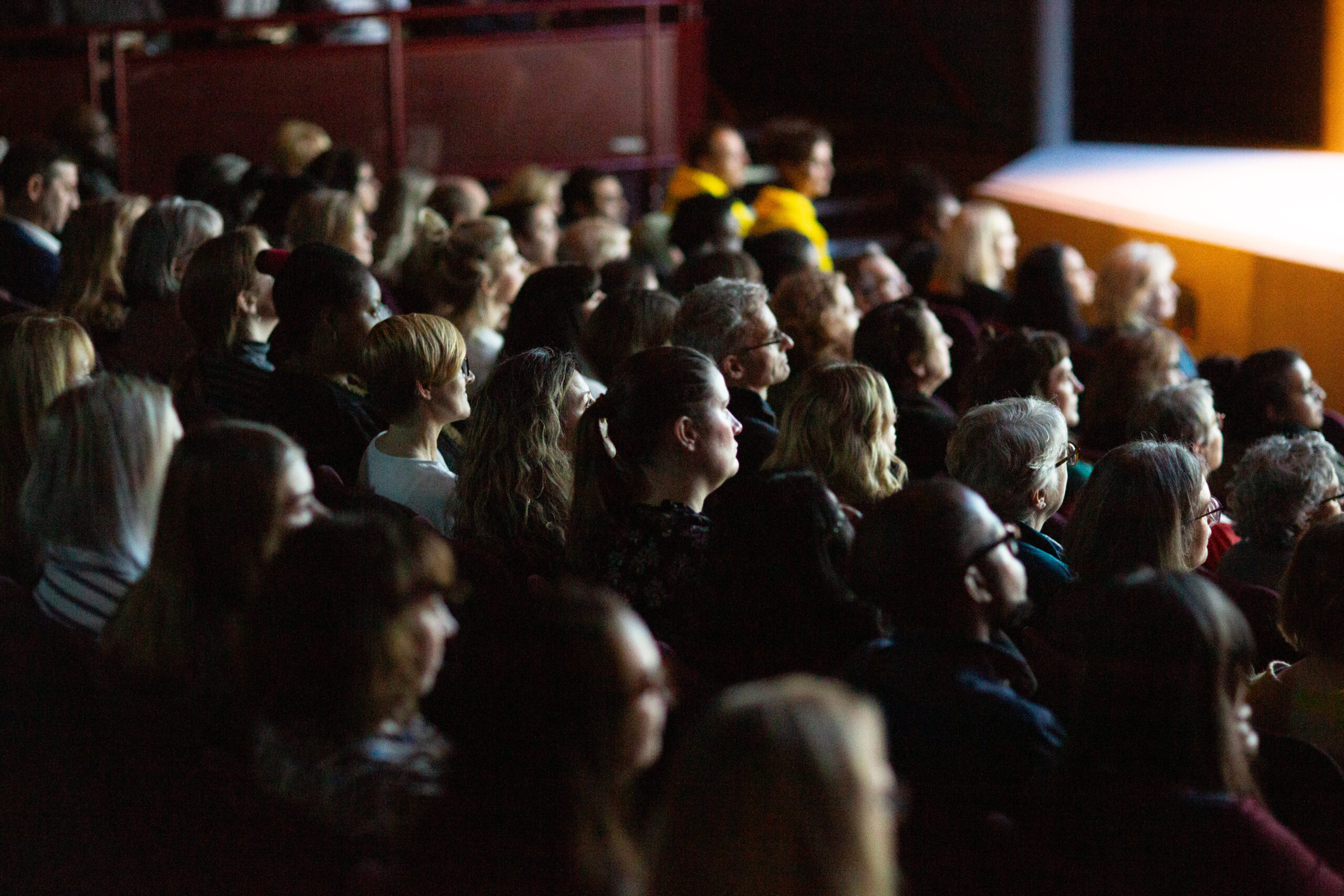 Hundreds of people attended the Theatre by the Lake in Keswick for the third annual Anti Racist Cumbria Summit.
A series of panel discussions, workshops and speakers explored various themes linked to racism – beginning to understand that race is a construct that continues to strongly influence society, recurring as an ongoing theme.
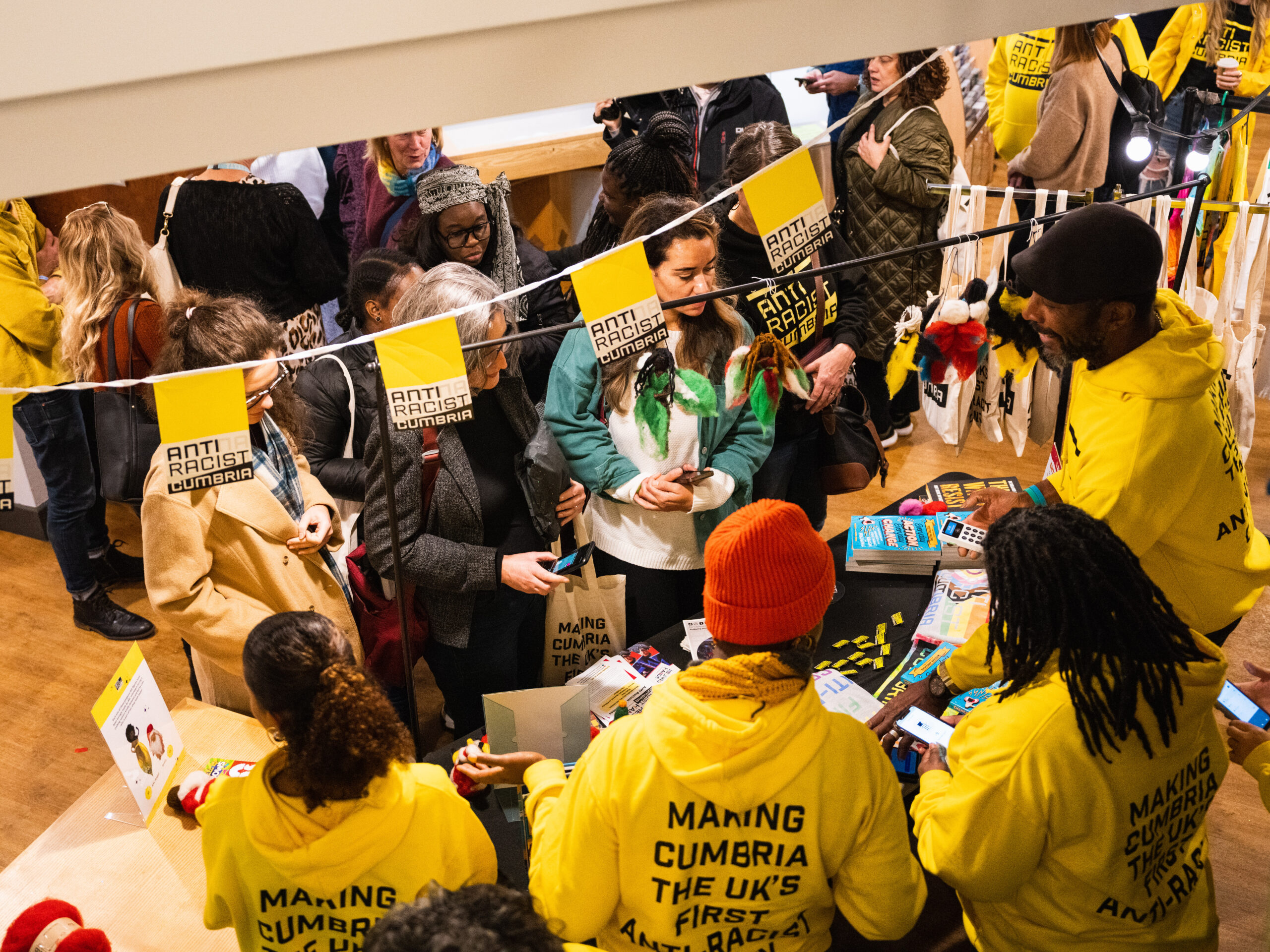
Janett Walker, CEO and co-founder of Anti Racist Cumbria, said: “With the support of our Event Partner, Cumberland Council, we set out to create an inspiring space for connections, taking action, healing, continuing people’s education and moving the conversation and anti-racism forward.
“We are all on a journey of learning, and that was certainly highlighted when we all took a deep breath at the end of David Olusoga’s keynote speech, as we started to absorb some of the insights he had shared and the significance of them.”
 Olusoga, the author of seven books including Black and British: A Forgotten History, covered a diverse range of subject matter as he highlighted elements of history that have been erased from the school curriculum.
He cited the Industrial Revolution as an example, noting there is a huge focus on the explosion of the cotton industry and the various connected socioeconomic impacts of it. However, the curriculum fails to mention its intrinsic links to the colossal human cost of the trade of enslaved people.
The ‘airbrushing’ of history is something which Olusoga believes today’s young people are challenging: “We are still teaching children the story of the Industrial Revolution without its connection to the two million African Americans who lived and died and suffered to produce the raw cotton that arrived in Liverpool in its billions of bales,” he said.
“This was at the heart of the Industrial Revolution. We would not think for a second about teaching the history of the Industrial Revolution without talking about another raw material; coal.
“We would not think it was a comprehensive and honest telling of the Industrial Revolution if we did not talk about the miners of the North East, of Nottinghamshire, of South Wales. About the culture, and the lives, and the suffering and the accidents in those mining communities.
“That would be seen as an inexcusable omission and yet those two million people suffering, working, trying to build a culture while commoditised as human property in the Mississippi Valley; that is deemed to be an understandable legitimate omission.
“It is a broken history, a half-truth, a failed lie that we keep teaching generation after generation. This ability to airbrush aspects of our history, to create a history that is full of half-truths is a deeply ingrained habit.”
Olusoga argued racism continues to influence attitudes and ideals in today’s society, suggesting it is the unconscious norm in many cases.
But he suggested today’s young people are forcing a change in the conversation and narrative: “Powered by huge generational attitudinal change, we are being forced into a conversation that is decades, in some cases centuries, overdue.
“Younger people have access to history that was once hidden. They are inspired by the past rather than challenged by the past. They don’t see history as something that is there to be comforting; they also understand it can, should and must at times be uncomfortable.
“Decades in some cases centuries of denial and selective amnesia are being challenged. Millions of people have come to understand that our history is not rewritten by activists but that it arrives in our lives already selectively rewritten.”
The Summit also welcomed expert-led workshops from the UK’s largest independent race equality think tank The Runnymede Trust, human rights charity brap and activist and content creator Danny F***ing Price.
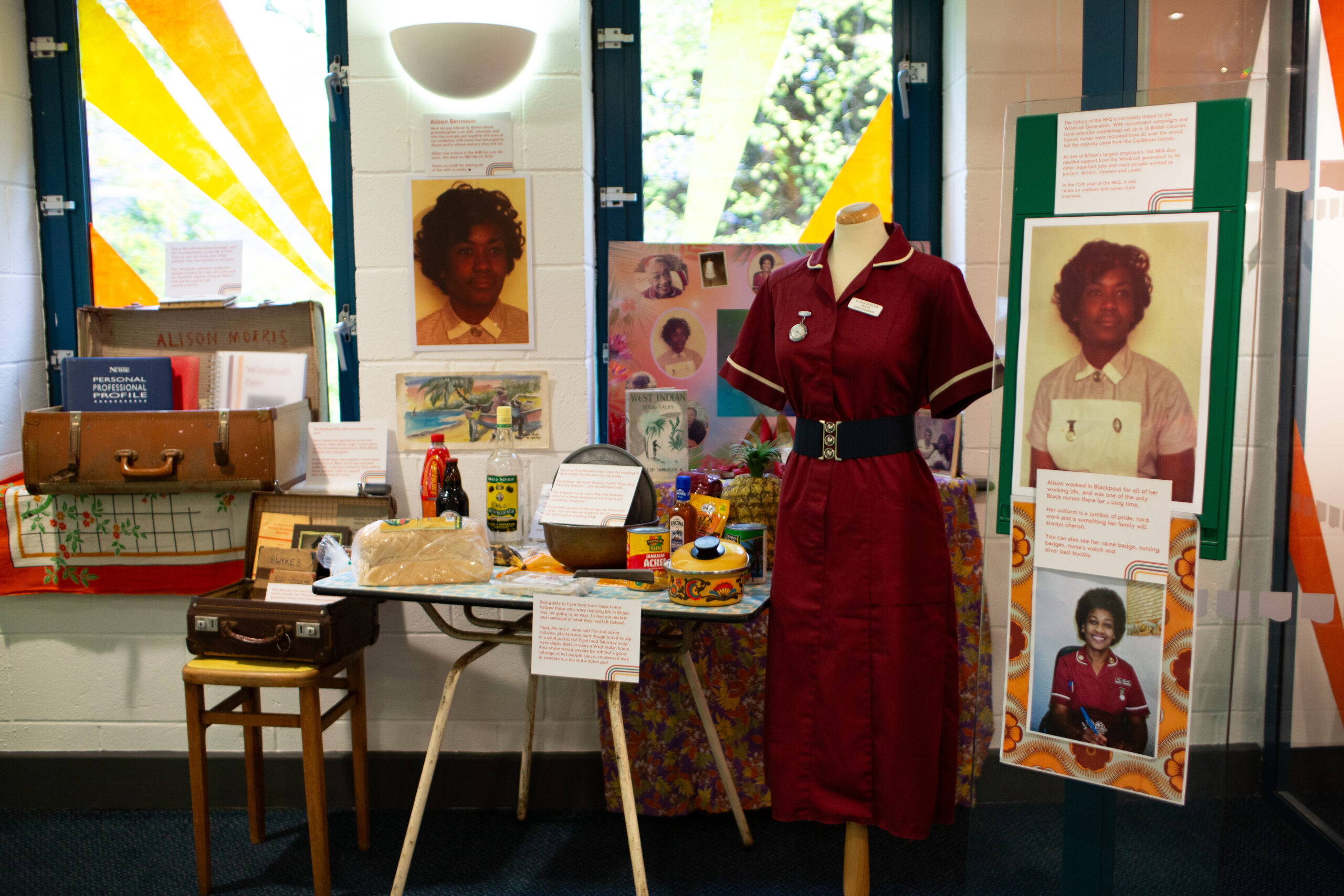 There was an inspirational and reflective exhibition marking the 75th anniversary of Windrush along with boat trips on Derwentwater to promote mindfulness.
 Walaa’s Syrian Kitchen, run by Walaa Asfar who came to Cumbria when she, her husband and children were offered refuge in the UK, provided delicious food for delegates as part of a kitchen partnership takeover of the theatre’s Lakeside Café.
And it was announced that the already multi-award winning short animated film, The Fell We Climb, has been shortlisted at the prestigious Manchester Animation Awards – the only UK festival that offers a route to the Oscars for winning entrants.
Janett said: “It was clear when David talked us through our British history for over 45 minutes, that none of us had any idea of just how extensively it has been re-written.
“In just that short space of time, we began to understand the impact of that history today; it shows up in statistics and in the differences in how people are treated across all sectors in our society from education to criminal justice to health.
“Understanding that history and its legacy is the key to creating change, the challenge is people being open to hearing it and sitting with their discomfort within it. We hope the Summit encouraged and enabled people to begin to see the part they can play in building a more equitable society for all”
 Article written and distributed by James Higgins – 32 West.
