

Author: Janett Walker
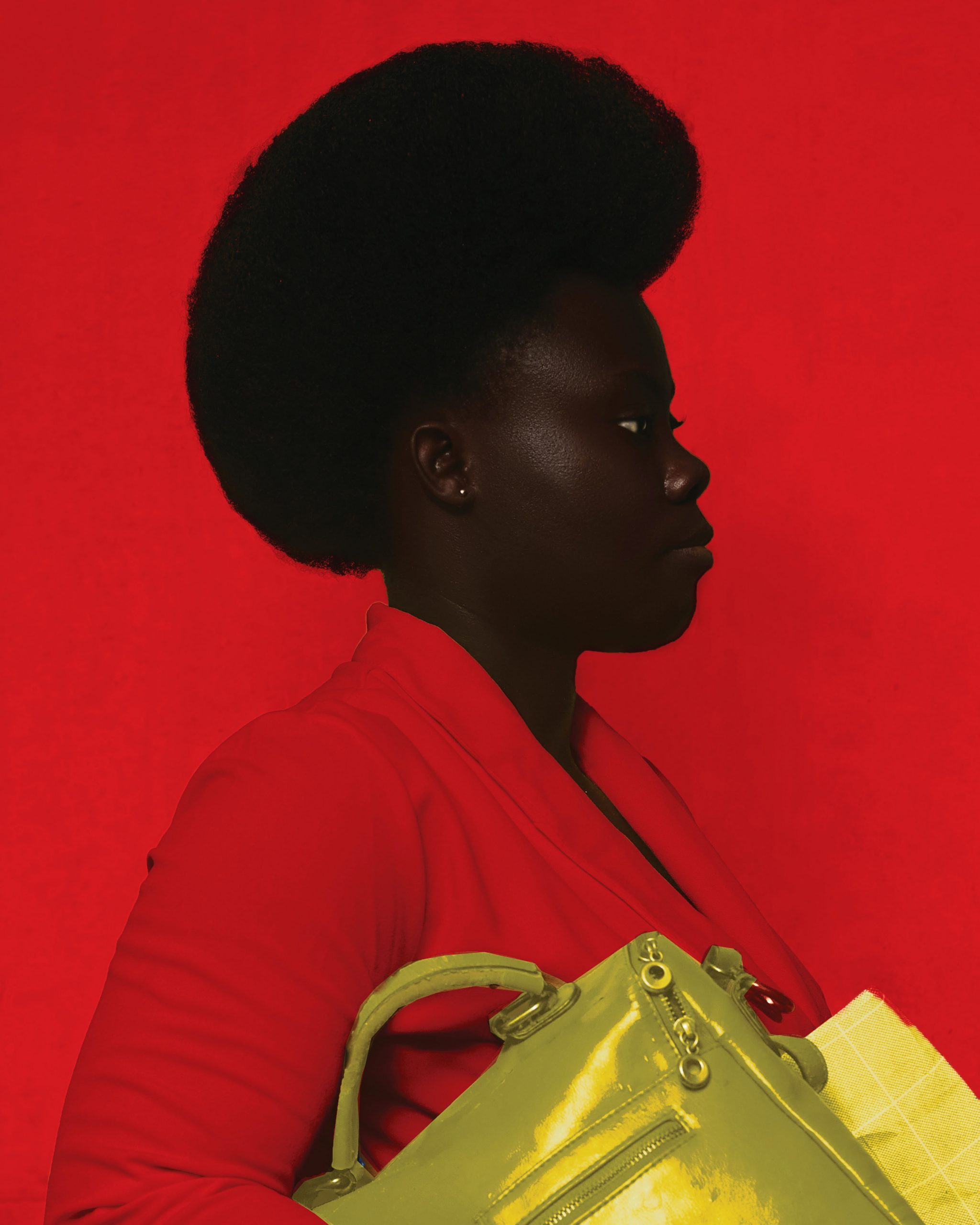
Black people, Black women in particular, have long been on an oppressive journey with their hair, having to deal with other people’s views on what is and is not acceptable. My own ‘locs’ have been called unprofessional, inappropriate, and unsuitable more times than I can count. I still wear them with pride. For many hair has been and remains a source of contention, primarily because it is unique to Black people.
 Afro hair is as much a part of African ancestry as colour and therefore very much a part of self. Many will relate to the saying “your hair is your beauty” passed down from generations of Black woman to daughters and granddaughters world over. But for many, hair was (and no doubt for some still is) “problematic” and the journey with our hair has been a difficult one. Although today it’s arguable that society looks at Afro hair differently than it once did; we see it in a variety of styles and more widely represented in fashion and the media for instance, there is still an issue around kinkier, coiler textures which remain “unacceptable”. As recently as last year, Michaela Coel’s brilliant “I May Destroy You”, showed a scene with the character Terry auditioning for a TV advert role and being asked if ‘that’s your hair?’. When she says it isn’t, she’s asked to remove her wig and show them her real hair. She declines, convinced if they see her real hair she won’t get the part. And who can forget the furore over Tashara Parker late last year when as a news anchor, she had the audacity to wear her hair naturally, how she wanted, to work.
Natural Hair Movement
 The natural hair movement has made a huge difference to those of us who remember all too well, perms, wet looks, weaves and the horror of relaxers, literally burning the hair from our heads. And then there is the more sinister deep-rooted side of the issue; the stuff made of nightmares when we were subjected to name calling about our hair – “bushy head”, “your hair looks like sheep wool”. And “golliwog”.
In recent years we’ve seen school aged males and females taking on the mantra of natural hair and owning their ‘fros with a majestic pride. Schools however have probably been one of the toughest institutions to resist this movement and have come up with all kinds of reasons as to why Black pupils at their schools cannot wear their natural hair, well, naturally.
“School Rules”

Benny Harlem and his daughter
Many will recall back in February last year, 18-year-old Ruby Williams was awarded a sum of £8,500 after a three-year legal battle with her school in east London, having been singled out and sent home numerous times because her afro didn’t ‘adhere’ to school regulations. Shockingly and sadly, this issue is still happening in schools throughout the UK, with the frequency of exclusions for afro hair rapidly rising. Schools need to start to understand afro hair, how it’s cared for, why some styles are adopted, its history and why Black people now want to take pride in it instead of trying to hide or change it.
Emma Dabiri, author of Don’t Touch My Hair has been campaigning since this landmark case to have the Equality Act 2010 changed to include afro hair as a ‘protected characteristic’ to prevent pupils and employees suffering racial discrimination simply by having afro hair and wearing it in a proud strong style. But just a few weeks ago, a White Barrister who we would question as to their links to and authentic understanding of Black hair, condemned Ruby’s pay out, labelling her a ‘stroppy teenager of colour’; White privilege strikes again. The history of ‘hair’ encapsulates many of the problems about racism. How Black hair became to be viewed as ‘unprofessional’ and ‘unacceptable’ for school, work, LIFE is a story for another article and one we will be sharing soon. Thankfully Black people today are embracing their hair more than ever.
Don’t Touch My Hair
It’s ironic then, that having chosen to wear our beauty with pride, everyone feels not only the NEED to touch it, but that they have a RIGHT to do so. There’s probably very few Black people who can’t recount a story about someone touching their hair, not having asked permission, not seeing it as an odd thing to do, certainly never viewing their actions as a micro-aggression and never questioning for a second how it might make the person whose hair is being patted, squeezed and pulled feel. It’s hard to convey what doing that feels like, that sense of being ‘other’ – being devalued in the way you are seen and viewed by others and worse, realising this from a young age. When you try to explain it’s not ok and the response is ‘oh but it’s so lovely and I didn’t mean it like that’, there is such a lack of understanding that their intentions do not relate to the impact it has on you.
Pride and Prejudice
 Afro hair is quite frankly amazing; it can change styles in hours, go straight, go curly, go braided, go big. It’s exciting, fun, versatile and can literally save lives. When African people were captured during the Trans-Atlantic Slave Trade their hair became essential to their survival. They would hide rice in their scalp between two sections of hair so that they could feed themselves during the horrific journey across the Atlantic. If they planned a brave escape, instead of rice they hid seeds and gold, the former to plant food and the latter to sell. Yes, it really is amazing this hair.
And many have tried to appropriate it too; remember David Beckham’s corn rows back in 2003 when the media decided this was an original hairstyle despite countless Black footballers and people having already sported the style on and off the pitch before him? David Beckham has since regretted the style but clearly the damage was done when in 2018 David Beckham’s cornrows were voted ‘most iconic hairstyle’ in football history whilst Abel Xavier braids were voted one of the worst. And just last year, Adele adopted bantu knots for Notting Hill Carnival to much backlash from the Black community. It remains concerning that on the one hand Black hair is problematic when worn by Black people but covetable, fashionable and ‘groundbreaking’ when White people wear it.
The great thing about afro hair is that it is so beautiful and has such a culture of creativity and expression around it. Nowadays many more of us are now embracing it as an intrinsic part of who we are and a statement of what makes us ‘Us’. We are no longer being influenced by those who want to use our hair to make us feel inferior. Rather, we are empowered by it.
GG’s Poem – Age 9, Cumbria
Why do you care about my hair?
Resources
Below is just a short snippet of resources for a range of ages to help you learn more about and/or celebrate Black Hair
Ruby Williams – No child with afro hair should suffer like me
Ruby Williams – a ‘stroppy teenager of colour’ simply because she fought back over her hair
Don’t Touch My Hair – Emma Dabiri
Excluded from school for wearing natural hair
SOURCES:
Tashara Parker speaking on that hairstyle
https://www.linkedin.com/posts/activity-6753030710761725952-expi/

One Comment